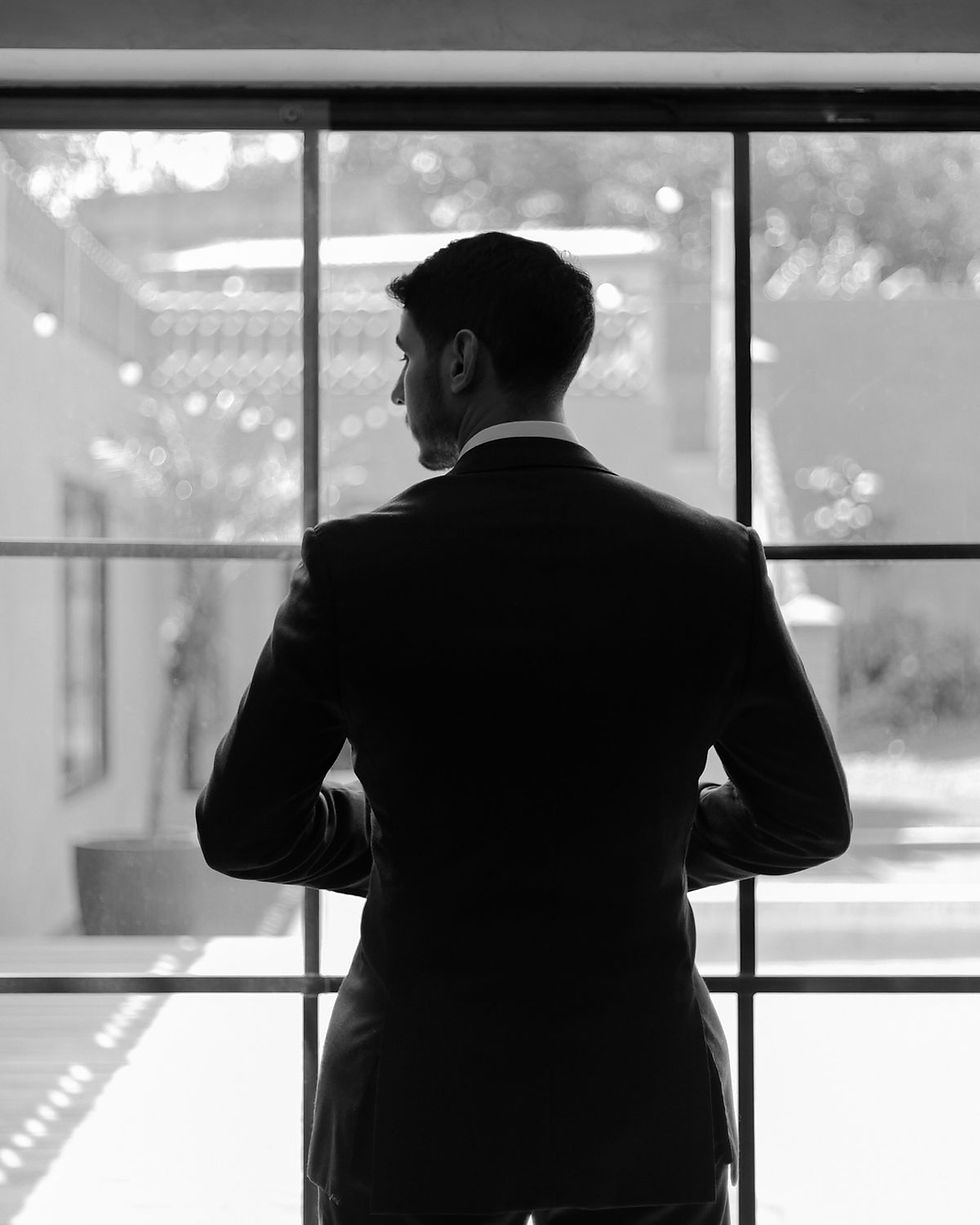
ANDERSON MACEDO: PHOTOGRAPHY AS A SPACE FOR REPRESENTATION

Celebrating 10 years of his career, photographer and DESconstrução founder Anderson Macedo has transformed the pursuit of a more democratic definition of beauty into a purpose, bringing diversity, inclusion, and new narratives into fashion
LEGACY COVER EDITION - SEPTEMBER 2026 ISSUE

There are images that capture a moment. And then there are images that help change the way we see the world. As he celebrates 10 years of his professional career, Anderson Macedo has built a journey that goes beyond the aesthetic practice of photography, transforming the image into a tool for representation, self-esteem, and transformation.
His journey with photography began around 13 years ago, when he was working as a booker at a modeling agency and purchased his first camera. Initially, he photographed models’ Polaroids and, while developing his own visual perspective, he also gained an inside understanding of an industry still heavily shaped by beauty standards. Three years later, he decided to leave the agency and fully dedicate himself to a career as a photographer.

It was at the very beginning of this new chapter that a social experience would help define the direction of his work. His brother ran an institute that developed initiatives supporting people experiencing homelessness and needed to increase the visibility of an initiative called Human. Anderson then created We Are All One, a project that brought artists into fashion editorials photographed in urban settings connected to the reality of people experiencing homelessness, including deteriorated areas and spaces beneath bridges. The images were later presented in an exhibition at High Line, in Vila Madalena, São Paulo.
The experience sparked a restlessness that would permanently change the course of his career: if photography could create space for people and stories that were rarely seen in fashion, why should that possibility remain limited to a single initiative? It was from this reflection that Unbuilding was born, ten years ago.

Created at a time when Anderson recognized the lack of diversity within the industry, the project emerged with the aim of breaking established standards and proposing a shift in perspective: bodies should not have to adapt to fashion. Fashion should recognize the diversity of bodies.
“I wanted to create a project that could truly embrace all faces, all bodies, and show that everyone can have access to the fashion industry,” Anderson explains.
Over the years, DESconstrução has brought together artists, influencers, representatives of the LGBTQIAPN+ community, and people who, until then, had little or no connection to magazines and editorial productions. Among the names who have been part of Anderson’s work are Henrique Fogaça, Sheila Mello, Rodrigo Mussi, Cariúcha, and Marcos Pitombo.
The project grew around a concept that became central to his journey: democratic beauty. For Anderson, this means expanding spaces for representation and showing that different bodies, identities, and stories also belong in fashion and art.
“For ten years, DESconstrução has been advocating for democratic beauty and showing that everyone belongs in fashion, and that art exists in everyone.”

More recently, this essence took on a new meaning when the project reached eight women experiencing social vulnerability through an initiative held during Women’s Month. The initiative provided participants with an experience centered around photography, fashion, beauty, and image production. For Anderson, that encounter represented the realization of an idea that has been at the heart of DESconstrução since its creation: making this universe accessible to those who have historically been kept at a distance from it.
It was precisely this experience that made Anderson realize that the project had evolved from simply being an authorial body of work into a true purpose.
“During the photoshoot with women experiencing social vulnerability, in partnership with Hooks Magazine and the São Paulo City Government, I had the opportunity to experience a meaningful exchange. It was through this experience that I became certain I was on the right path and had found a beautiful purpose within both my career and the project.”
Over the course of a decade, Anderson has also expanded his professional presence within the fashion industry. His work has encompassed campaigns, lookbooks, e-commerce, and various productions across the sector. For more than six years, he has followed the backstage of São Paulo Fashion Week editions and developed projects connected to participating brands.

Photography also opened international doors for him. Milan, Paris, and Rome became part of his professional journey through experiences that brought together fashion, photography, brands, and clients.
“This profession has given me the opportunity to travel abroad doing what I love most, which is photography, while also taking my career to an international level. I had the opportunity to go to Milan, Paris, and Rome, taking part in fashion trips with brands and clients. That has been truly amazing.”
More than simply experiencing new markets, these opportunities broadened his understanding of diversity itself. “The way fashion changes and adapts in every place and within every culture. This social versatility made me understand that there are many different ways of looking at art itself. In each culture, it is celebrated and appreciated in different ways, and that is the power of democratic beauty.”
His professional journey also includes an unexpected career change for someone now known for his work in fashion. Before photography, Anderson Macedo was a military police officer and worked for three and a half years as a state highway patrol officer. Although this experience may seem distant from the studios, editorials, and runways that would later become part of his routine, it remains an important reference in his professional development.
“The military police shaped me in terms of discipline and taught me to pay closer attention to details in everything I do. The agency, on the other hand, taught me how the fashion market works and how to manage this business of selling — image, beauty, and fashion.”

The discipline Anderson acquired through these experiences continues to shape him today, from his professional ethics to the countless hours dedicated to image editing, always with dedication, determination, and a commitment to the quality of his work.
As he celebrates a decade of his career, Anderson is honoring not only the work he has accomplished, but above all, the connections he has built through photography and the opportunity to take his purpose into increasingly diverse worlds.
“I am very happy and very grateful. I have had incredible people cross my path, meaningful exchanges, and connections that have helped me get to where I am today.”
In a Legacy edition, looking toward the future also means reflecting on what we hope to leave behind. For Anderson, the legacy he hopes to build is intrinsically connected to representation. He wants his work to continue creating opportunities for people who still do not feel represented in fashion to see themselves reflected within it.
“I hope that when people see these works, they feel represented within the fashion industry and that they gain greater self-esteem, carrying more love and empathy into the world.”

His vision is rooted in the idea that beauty does not need to follow a single standard to exist. “I want minorities to understand that beauty lies in difference and that we are unique beings, each with our own stories and experiences. Authenticity is what makes us shine in our own unique way.”
Perhaps that is precisely where the deeper meaning of a ten-year career lies. Not simply in photographing people, but in creating spaces where they can be seen. Not simply in producing images, but in questioning who gets to appear in them. Not simply in witnessing the transformation of fashion, but in helping expand its possibilities.
Anderson Macedo arrives on the Hooks Magazine Legacy Cover celebrating a decade of his career and reaffirming an idea that has guided his work from the very beginning: beauty can exist everywhere, as long as there is space for it to be recognized.

Because, for him, photography is not only about what we see through the lens. It is also about who finally gets to see themselves within the image.
Read the full interview:
1. You are celebrating 10 years of your career at a time when diversity has gained more space in fashion, but barriers still remain. Looking back on this decade, what has truly changed, and what still needs to be deconstructed?
Our society is structured around beauty standards and stigmas, patriarchy, and ethnic issues. We will still need a great deal of time to achieve a form of existential democracy. With technological advancement, what was once considered a minority has gained strength and a voice, but I believe there are still many layers that we need to confront and continue discussing, such as homophobia, racism, among others.

2. DESconstrução was born from the desire to make beauty more democratic and, over the years, has embraced different bodies, identities, and stories. When did you realize that the project had evolved from simply being an authorial body of work into a purpose?
During the photoshoot with women experiencing social vulnerability, in partnership with Hooks Magazine and the São Paulo City Government. Through that photoshoot and the exchange we shared, I became certain that I was on the right path and had found a beautiful purpose within both my career and the project.

3. You have taken your perspective into different worlds — from São Paulo Fashion Week to Milan, Paris, and Rome. What have these international experiences taught you about the way fashion views diversity and representation?
The way fashion changes and adapts in every place and within every culture. This social versatility made me understand that there are many different ways of looking at art itself, as something that shapes the human experience. In each culture, it is celebrated and appreciated in different ways, and that is the power of democratic beauty.
4. Before photography, you were a military police officer and worked as a booker at a modeling agency. These are very different experiences, but both involve working directly with people. What did these two stages of your life bring to the photographer and professional you have become?
The military police shaped me in terms of discipline and taught me to pay closer attention to details in everything. The agency, on the other hand, taught me how the fashion industry works and how to manage this business of selling — image, beauty, and fashion. The methodical approach and strict discipline I had to develop in both fields are qualities I still carry with me today, from professional ethics to the hours I spend editing images with dedication and determination, always striving to deliver quality work.

5. In a Legacy edition, talking about the future also means talking about what we want to leave behind. When you look ahead to the next 10 years, what legacy would you like your work and DESconstrução to leave for fashion and for people who still do not feel represented by it?
Representation, above all. I hope that when people see these works, they feel represented within the fashion industry and gain greater self-esteem, carrying more love and empathy into the world. I want social minorities to understand that beauty lies in difference and that we are unique beings, each with our own stories and experiences. Authenticity is what makes us shine in our own unique way.

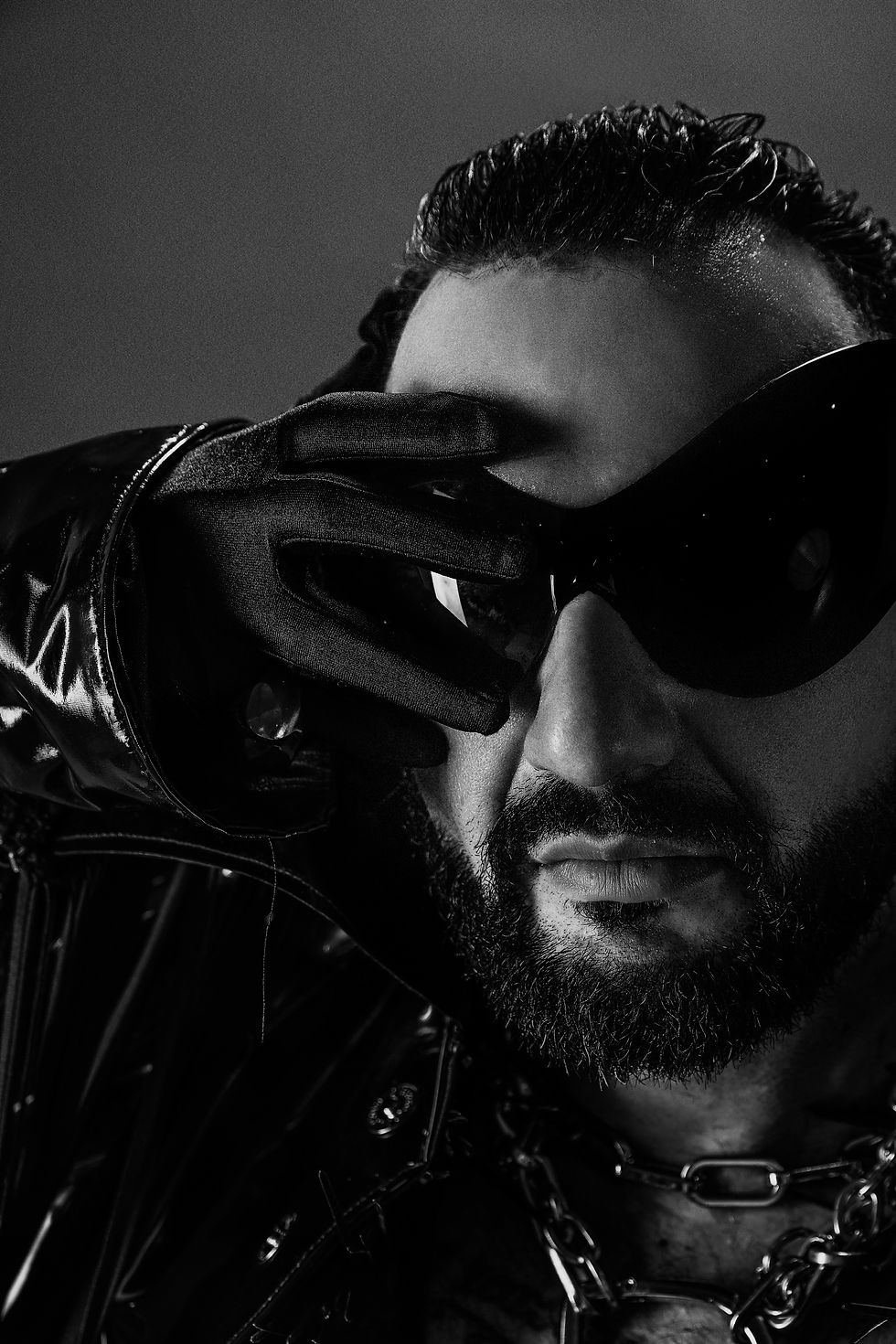
Anderson Macedo and Caiúcha


Purchase the Legacy Edition, available for worldwide delivery, by clicking below: