


Dr. Kaísa Justo and the quiet construction of an authority that does not follow trends: it creates permanence
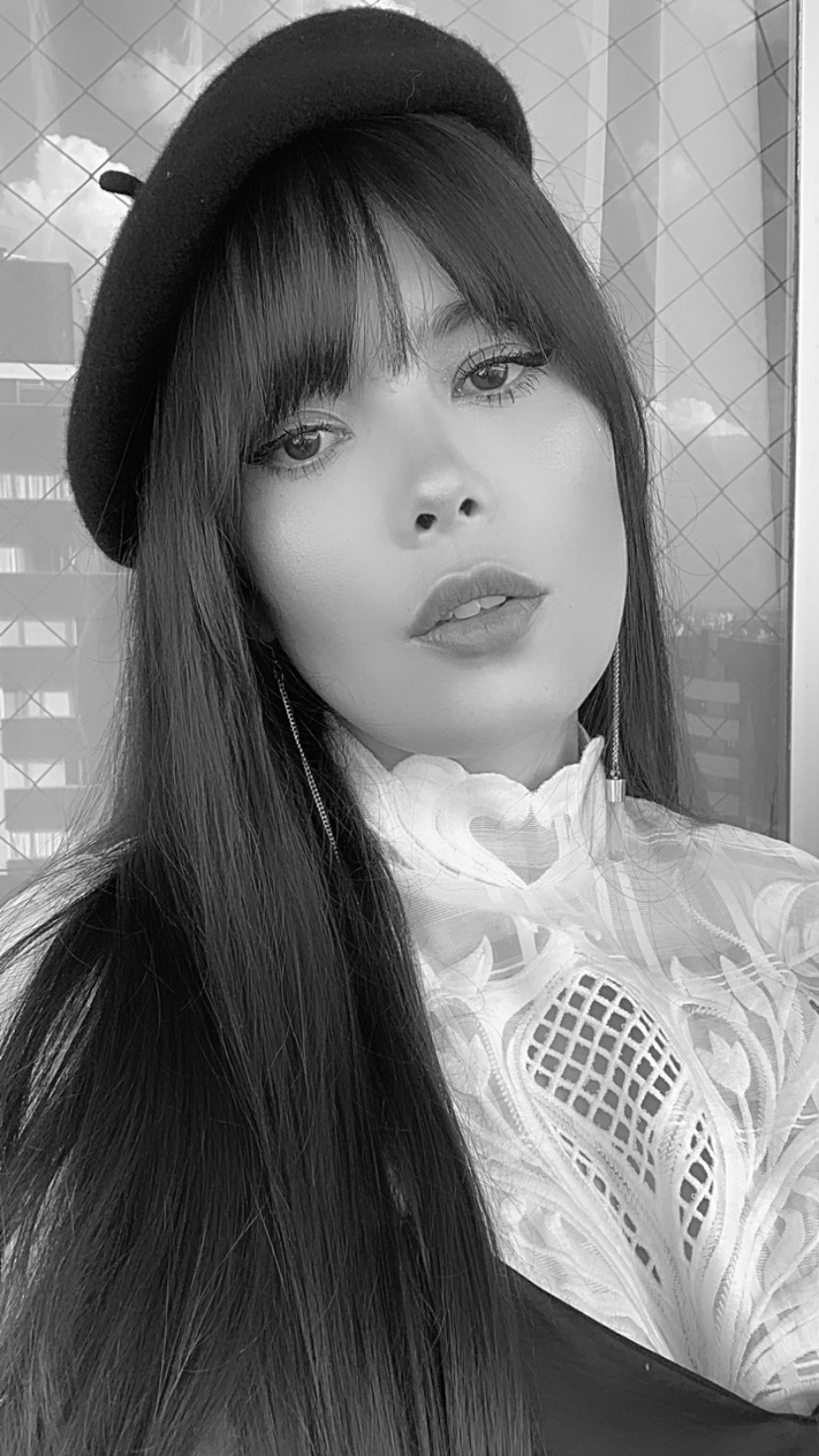
'LEGACY' COVER EDITION - DECEMBER 2025 ISSUE

There is a clear difference between those who simply occupy space and those who build permanence. Dr. Kaísa Justo belongs to the latter. Her medical career, which began in the 1990s in Santa Maria, Rio Grande do Sul, the city where she was born, was not shaped by the rush for immediate results or by the appeal of pre-established standards. It was built over time, through technical rigor and a perspective that moves beyond medicine to reach art, aesthetics, and human sensitivity.
A plastic surgeon by conscious choice, Kaísa carries a rare signature in today’s market: surgical precision combined with a deep reading of individuality. For her, plastic surgery is not about transforming bodies, but about revealing more aligned versions of who a person already is. This philosophy stands in contrast to the industrialized logic that dominates much of contemporary aesthetics.
“Beauty is not perfection. It is authenticity,” she says.

Before becoming a surgeon, Kaísa was a creator. Still a child, she found in manual activities a territory of expression and focus. Sewing, handicrafts, macramé, crochet, Northeastern lace, among others. The hyperfocus that today translates into technical excellence began there. Her first dream was fashion. She even earned a scholarship to study in Milan, which was interrupted due to her family’s lack of financial resources. Medicine came later, but it never erased this sensitive foundation.
Adapting to medical school was not easy. It was upon returning to the program that Kaísa encountered a decisive reference: pediatric surgeon and professor Yvelise de Verney. More than technique, she presented a model of medical and human conduct. Under her guidance, Kaísa entered the operating room early and learned that medicine is also built through ethics and an attentive gaze toward others.

The affinity with surgery was immediate, although the specialty itself was still uncertain. Kaísa initially devoted herself to pediatric surgery, but daily contact with childhood suffering, combined with motherhood, made that path emotionally unviable. It was at this point that another essential name emerged in her journey.
During her medical residency, surgeon Oscar Leite played a decisive role by recognizing that her true talent lay in Plastic Surgery. He was the one who supported this transition, reinforcing that plastic surgery represents medicine in its most complex form, where technique, reconstruction, and responsibility walk side by side.
This foundation became a defining advantage. Kaísa understood that mastering technique alone was not enough. It was necessary to develop an aesthetic eye capable of perceiving nuances that do not fit within rigid protocols.

Each body and each face as a unique work of art.
Her visual sensitivity has become a method. A trained eye to observe gestures, listen to subjective desires, and translate expressions such as “I want something delicate” or “natural” into precise surgical decisions. For her, operating means seeing and executing with the same level of attention.
In a market driven by trends and highly visual results, Kaísa chose to go against the current. Her clinical practice is built on three pillars: Personalization, Ethics, and Longevity. This often means saying no, deconstructing external references, and educating patients about proportion, limits, and healthy aging.
She does not believe in copying faces or manufacturing generic bodies. In her view, surgery must age well, respect anatomy, and preserve identity. The greatest compliment, she says, is when no one notices there was surgery at all, only that something feels more harmonious, more confident, more genuine.
This stance requires maturity, something only time and experience can teach. Being a woman in medicine already brings structural challenges. Being a woman, a physician, and autistic demands even greater self-awareness. For years, Kaísa believed she needed to adapt herself to fit expectations, until she understood that authority is born from authenticity.
Autism, lived in silence for a long time, is now part of her narrative with responsibility. Not as victimhood, but as awareness. A condition that imposes real limits, yet also enhances focus, deep analysis, and meticulous attention to detail.

After decades of practice, Kaísa has built a solid legacy. For her, the future is not about rupture, but about deepening. Expanding that legacy means inspiring a more humane approach to medicine, passing values on to future generations, including her son who followed the same career path, and reaffirming that technical excellence can coexist with sensitivity, ethics, and femininity.
She does not wish to be remembered solely for aesthetic results, but for the emotional and identity-driven impact she has created. A surgeon who restored not only form, but confidence and inner alignment.
It is from this perspective that the conversation that follows is shaped.
In this interview, Dr. Kaísa Justo speaks about aesthetics, identity, fashion, medical responsibility, and the legacy of a career designed to stand the test of time.
Your trajectory in Plastic Surgery is marked by technical precision, but also by a very clear aesthetic vision. At what point did you realize that your visual sensitivity, something that goes beyond medicine, would be a real differentiator in how you build results and connect with your patients?
The realization that my visual sensitivity would be a differentiator came gradually, but it became very clear when I understood that plastic surgery goes far beyond correcting or transforming. It is about harmony, balance, and expressing who the patient truly is.
During my training, I realized that every body and every face carries unique traits, almost like a work of art waiting to be valued. Medicine teaches us anatomy, proportions, and measurements, but it was my artistic sensitivity that allowed me to see nuances that are not found in charts or protocols. This became evident when I noticed that my patients returned not only satisfied with the physical result, but with the feeling of having been truly seen and respected in their individuality.
The real turning point came when I understood the emotional impact of personalized results. I was not following standards, but creating aesthetic strategies that honored personal stories and identities. I came to understand that beauty is not perfection, it is authenticity. And that operating is about aligning technique and art.

You often say that Plastic Surgery is not about transforming bodies, but about revealing more aligned versions of who a person already is. How does this philosophy influence your clinical decisions and the way you approach each case, especially in an increasingly standardized market?
This philosophy guides all of my work. In an increasingly standardized market, maintaining this position is an ethical commitment to individuality, self-esteem, and patient health.
From the very first consultation, I avoid following trends or external references. My role is to understand who that woman is, how she sees herself, and what aspects of her appearance do not reflect that perception. Surgery then becomes a tool for alignment, not for distortion.
I avoid excessive interventions and prioritize results that age well, respect anatomy, and preserve identity. Many times, this means educating patients, declining requests, or dismantling unrealistic expectations. True beauty lies in singularity, and my work is to protect that.

Throughout your career, you have built medical authority without giving up your personal identity. How was the process of understanding that image, positioning, and narrative are also strategic tools, especially for a woman physician in a historically rigid field?
This understanding was deep and personal. As a woman, a physician, and an autistic person, I had to deal with very rigid expectations regarding behavior and image. At first, I thought I needed to fully adapt.
Over time, I realized that true authority is born from authenticity. My autism brought me focus, aesthetic sensitivity, attention to detail, and deep listening. Accepting this as part of my identity was liberating.
Image, to me, is not about appearance, but about message. From the way I dress to the clinic’s design and the tone of communication, everything reflects who I am as a professional. My narrative was never built as an empty strategy, but as an extension of my essence. By embracing my singularity, my authority grew stronger.
There is a very fine line between aesthetic desire and medical responsibility. How do you balance the pressure for highly visual results with the ethics, care, and longevity of outcomes that you defend as a professional?
This balance happens when health, ethics, and harmony come above any immediate aesthetic demand. My commitment is to educate, guide, and, when necessary, say no.
I do not work to meet trends, but to create results that respect the body, individuality, and time. I refuse procedures that compromise the patient’s integrity. Long-lasting, natural results will always be more valuable than fleeting visual impact.

Your clinic reflects a careful approach to experience, detail, and atmosphere. Do you see the physical space, the service, and even communication as extensions of your surgical work? What is non-negotiable for you when it comes to the patient experience?
Absolutely. My clinic is an extension of my philosophy of care. Every detail was designed to convey warmth, calm, and sophistication.
The environment needs to make the patient feel safe from the very first moment. The pond with fish symbolizes tranquility and deceleration. What is non-negotiable is genuine care. The patient must feel respected and protected at every stage.
You are a woman who occupies multiple roles: physician, entrepreneur, leader, and aesthetic reference. At what moments along this journey did you need to reposition yourself, not technically, but emotionally, in order to sustain growth without losing yourself?
There were many moments of emotional repositioning. As a woman, mother, physician, and autistic person, I had to let go of the idea of perfection.
In the beginning, I tried to fit into standards that did not respect my nature, which led to exhaustion. Growth came when I embraced my singularity and understood that being whole is more important than being available all the time.
Respecting my limits, learning to say no, and taking care of my emotional energy were essential to growing in a sustainable way.
Now speaking about fashion, something few people know but that has been part of your story from an early age. You have sewn since you were very young and once handcrafted a sequined dress, one sequin at a time. What did fashion teach you about patience, construction, and attention to detail that you now bring into plastic surgery?
Sewing profoundly shaped who I am. Creating that dress, sequin by sequin, taught me that there are no shortcuts when excellence is the goal.
Fashion taught me patience, respect for the process, and absolute attention to detail. In surgery, it is exactly the same. It is the small adjustments that create extraordinary results. Creating something custom-made means respecting identity, whether it is a dress or a body.

Just like in haute couture, where nothing is truly made-to-measure without deep listening and careful observation, your procedures also seem to stem from an individual understanding of the body. Do you see your work as closer to an artisanal logic rather than an industrial one?
Completely. My work is artisanal. Each patient is unique, and every procedure is born from listening, observation, and respect for individuality.I do not believe in ready-made solutions or mass production. Plastic surgery, to me, is a careful construction, much like haute couture.
With a career built over decades in medicine and plastic surgery, you have already established a solid, recognized, and consistent legacy. Looking ahead, how do you wish to expand and deepen this legacy, not only as a plastic surgeon, but as a woman who transformed aesthetic sensitivity, technical excellence, and strategic vision into a respected, authorial, and deeply feminine personal brand?
My desire is to expand this legacy by inspiring a more human, ethical, and personalized approach to medicine. I want to pass this vision on to future generations, including my son, who chose the same career path.
I want to be remembered for authentically uniting technique, sensitivity, and feminine identity, creating results that go beyond aesthetics and touch people’s self-esteem and essence.

And lastly, but no less important, what is your voice? What would you like to shout to the world if you had the opportunity?
My voice celebrates uniqueness. As an autistic person, I deeply believe in neurodiversity and in the beauty that exists in differences.
If I could shout one thing, it would be: honor who you are in your entirety. Body, mind, history, and identity. True beauty lies in authenticity.
Buy your copy of the edition.


