Brigitte Bardot (1934–2025): The Woman Who Redefined Cinema, Style, and Freedom


Brigitte Bardot, the legendary French actress, model, singer, and cultural icon, has died at the age of 91. A defining figure of postwar cinema, Bardot was far more than a screen siren — she was a symbol of liberation, rebellion, and a new way of occupying space as a woman in art and society.

Born in Paris on September 28, 1934, Brigitte Anne-Marie Bardot began her artistic path far from movie sets. Trained as a classical ballerina at the Conservatoire de Paris, her discipline and elegance first caught attention through fashion. At just 15, she appeared on the cover of Elle, launching a modeling career that soon led her to the film industry.
Her screen debut came in 1952, but global recognition followed in 1956 with And God Created Woman, directed by Roger Vadim. The film was revolutionary for its time — and so was Bardot. Her portrayal of Juliette, a young woman driven by desire rather than convention, challenged traditional representations of femininity and sexual morality. The role transformed her into an international star and cemented her as an emblem of youthful freedom and sensual independence.

Throughout the late 1950s and 1960s, Bardot dominated European cinema, appearing in nearly 50 films. She collaborated with some of the most influential directors of the era and became closely associated with the French New Wave. Her performance in Jean-Luc Godard’s Contempt (1963) remains one of her most iconic, blending vulnerability, introspection, and cinematic modernism.
Visually, Bardot reshaped beauty standards. Her tousled blonde hair, winged eyeliner, bare feet, and effortless attitude gave birth to what would become the enduring “French girl” aesthetic — a style language rooted in natural sensuality and nonchalant confidence. This image transcended cinema and continues to inspire fashion runways, beauty trends, and pop culture decades later.

At the height of her fame, Bardot made an unprecedented decision. In 1973, at just 39 years old, she retired permanently from acting. Turning her back on celebrity culture, she relocated to Saint-Tropez and redirected her passion toward a cause that would define the second half of her life: animal rights.
In 1986, she founded the Brigitte Bardot Foundation for the Welfare and Protection of Animals, becoming one of the world’s most visible advocates against animal cruelty. Her activism spanned campaigns against seal hunting, animal testing, and inhumane farming practices. While outspoken and at times polarizing, her commitment to animal welfare was unwavering and reshaped public debate in France and beyond.

Bardot’s life was not without controversy. Her outspoken political views and public statements often drew criticism and legal consequences. Yet her cultural impact remains undeniable. She inspired artists from Jean-Luc Godard to Andy Warhol and influenced generations of filmmakers, designers, and performers. At one point, her likeness was even chosen as Marianne, the national symbol of the French Republic — a testament to her role in representing freedom, modernity, and national identity.
Brigitte Bardot leaves behind a legacy that transcends cinema. She transformed how women could be seen, desired, and heard on screen. She embraced contradictions, rejected expectations, and lived on her own terms — from global stardom to radical withdrawal, from sex symbol to activist.
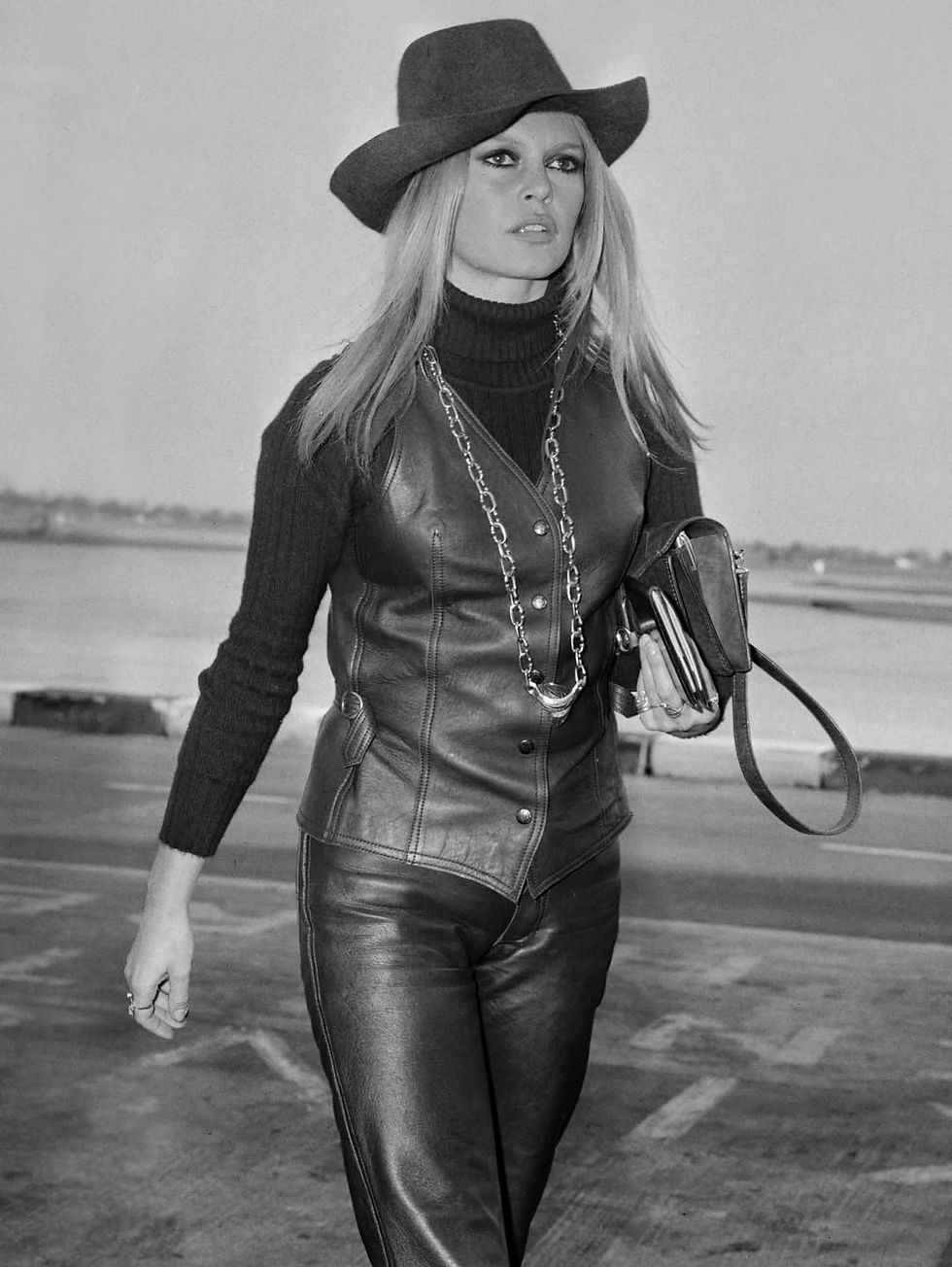
In redefining glamour, rebellion, and autonomy, Bardot became not just a star of her era, but a figure who continues to resonate across generations.